Northern Ecuador
East Slope Andes Tour (Mar 21 - Mar 28, 2027) GUARANTEED DEPARTURE!
and
West Slope Andes Tour (Mar 28 - Apr 4, 2027)
Escape to the Ecuadorian Andes
-
Perfect week getaway!
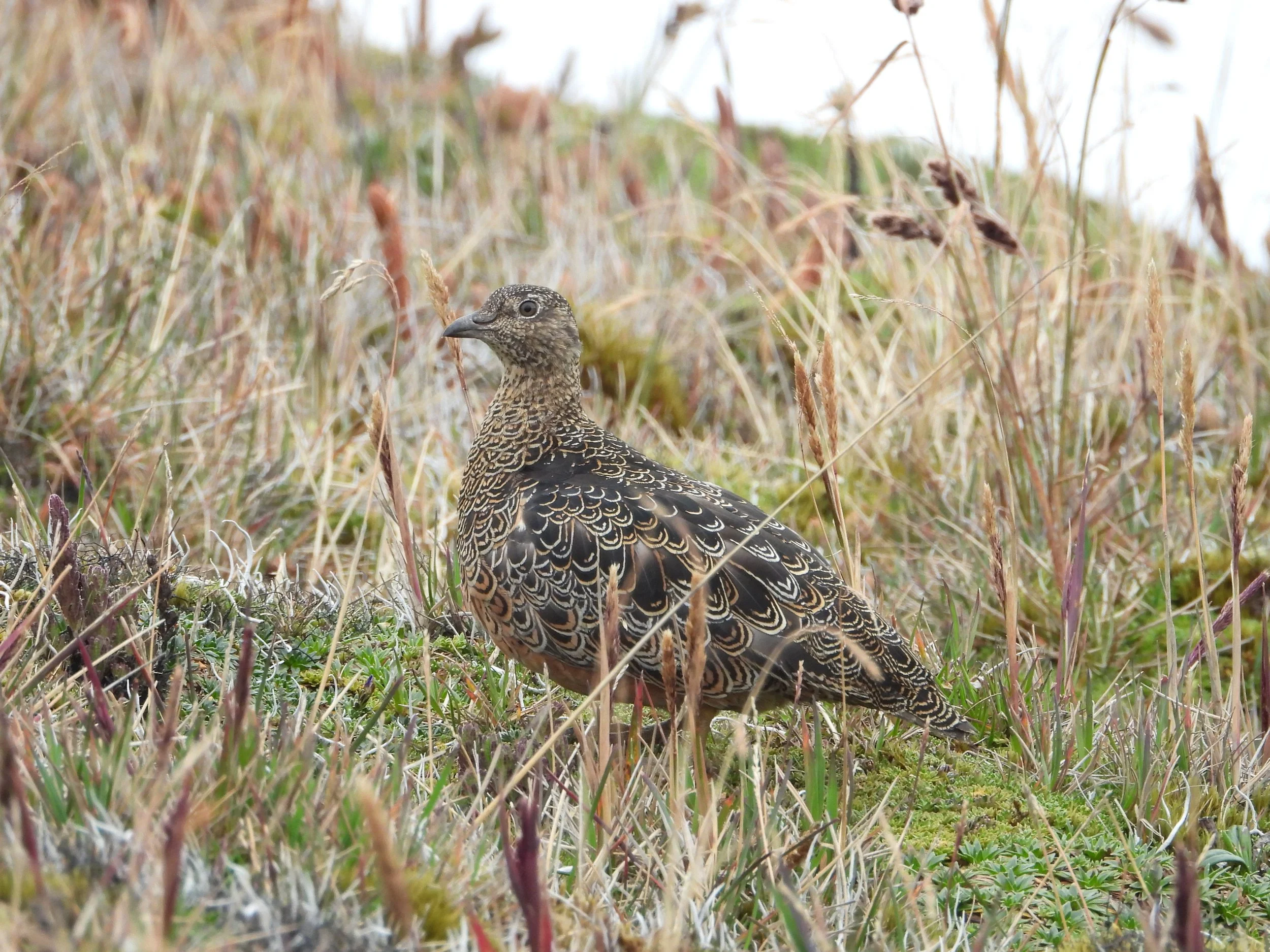
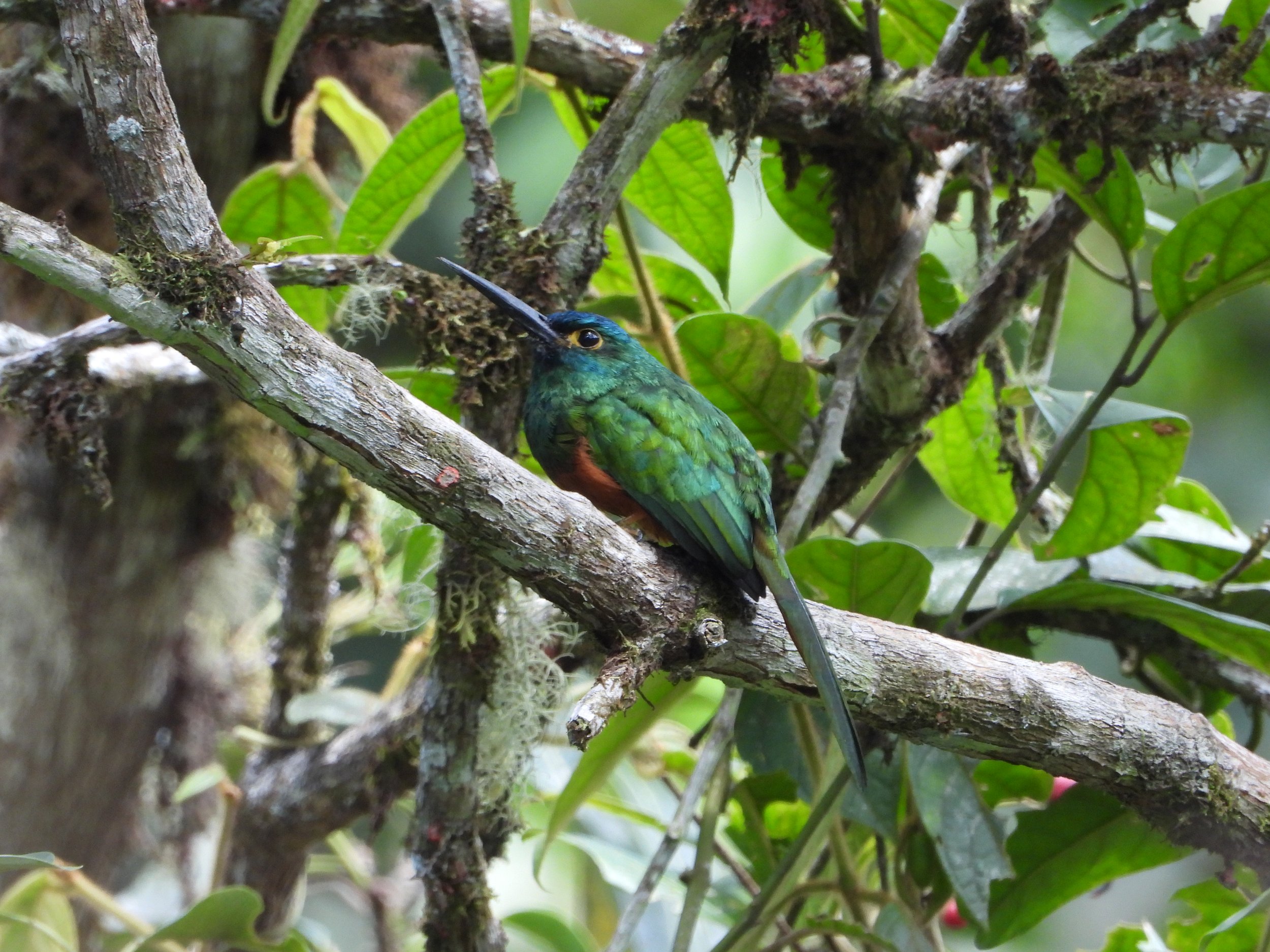
With only a week of birding, we aim to find as many 400 different birds. From the Ecuadorian Hillstar and Rufous-bellied Seedsnipe in the High Andes to the ‘San Isidro’ Owl and Coppery-chested Jacamar in the forested slopes of the East.
-
Unforgettable Experiences
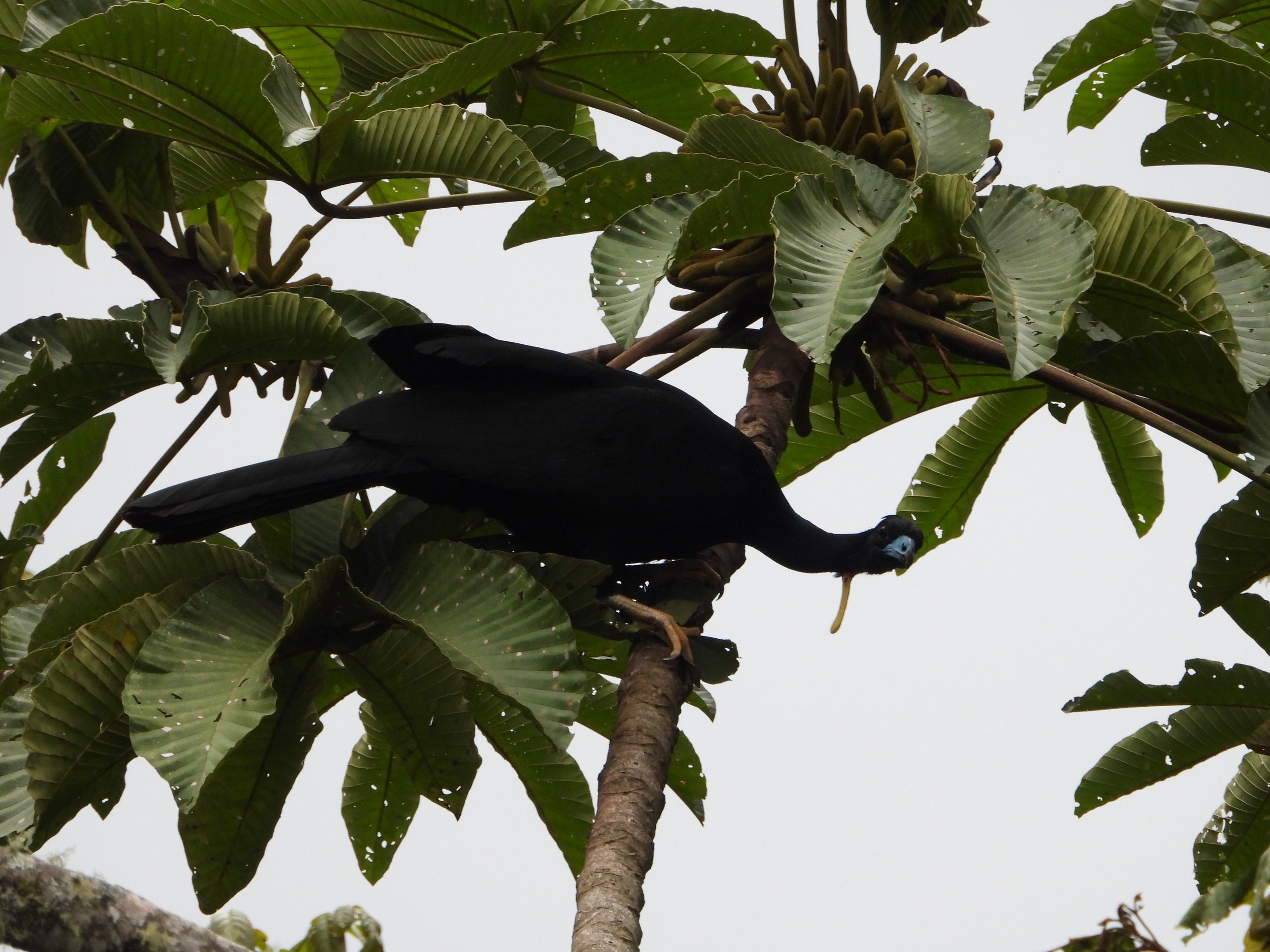
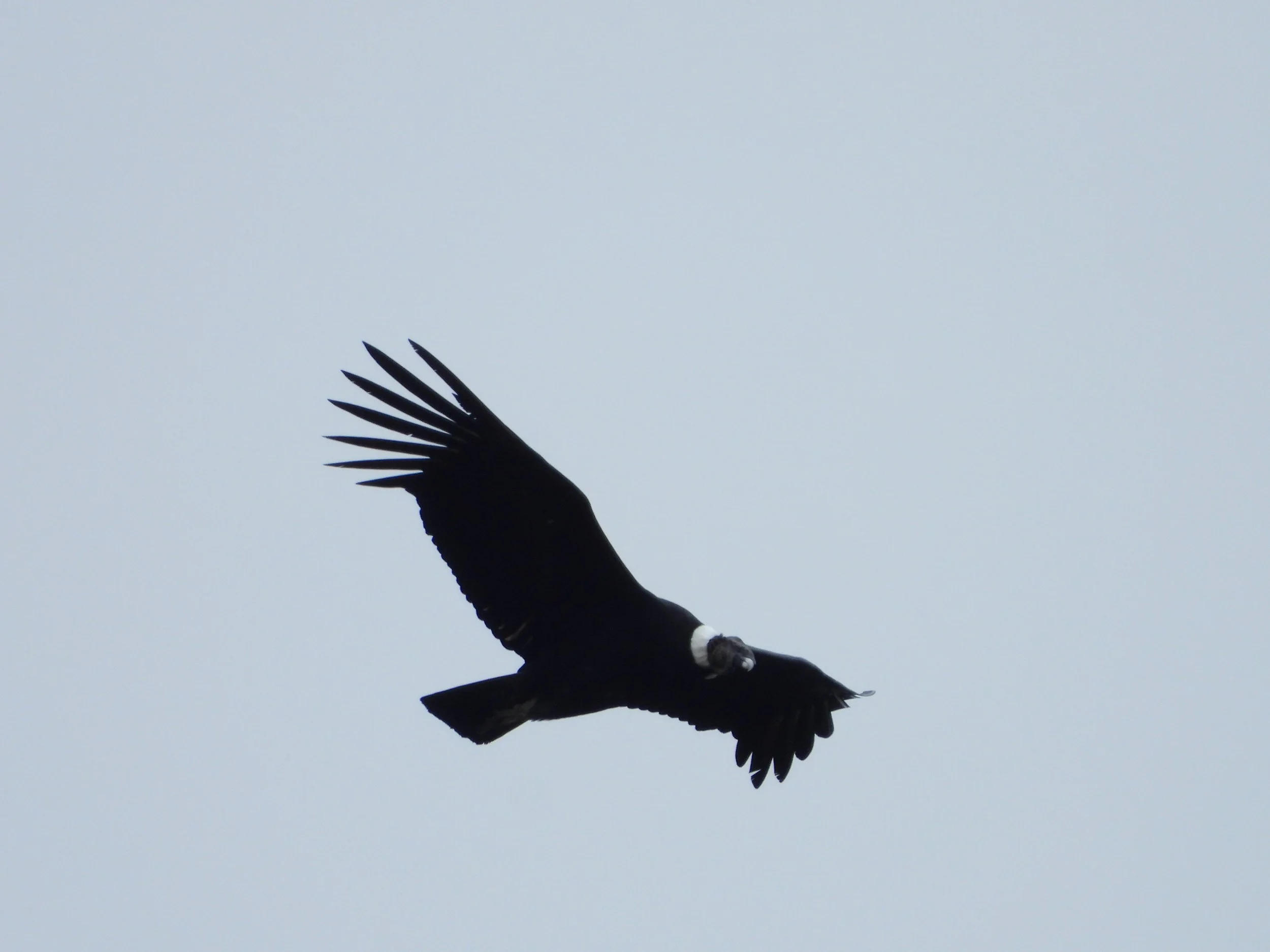
Ever wondered what it would be like to see an Andean Condor flying across the Andes or perhaps hearing the alien-like calls of the Wattled Guan in the cloud forest?
-
Great times in good lodges
This trip is as much about good times as it is about the birds. Our quality lodges are all in prime destinations, so the early mornings have us birding right from the moment we leave the door!
East Slope Andes Tour
-
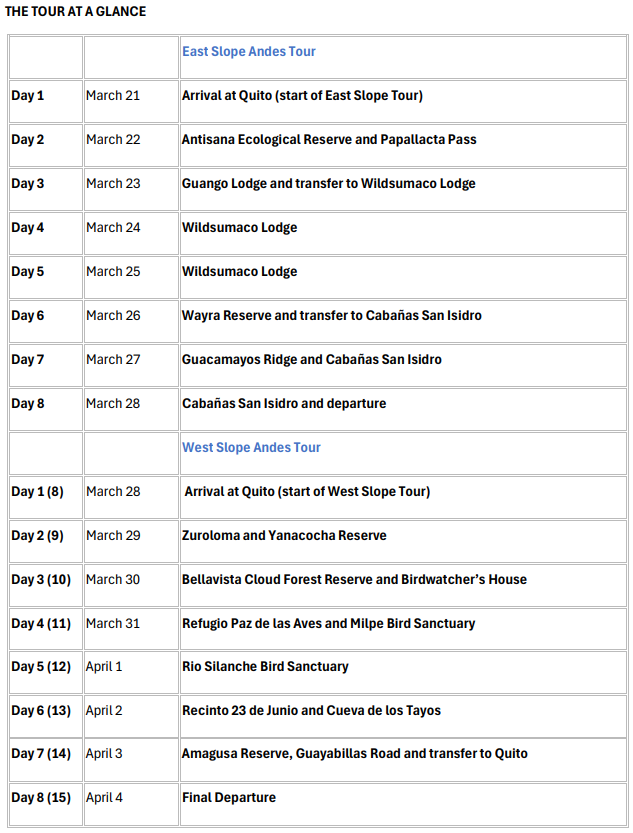
Arrival day for participants via Mariscal Sucre Quito International Airport and a 20-minute transfer to our lodge for the night.
If time allows, we will do some birding around the lodge in the afternoon for some widespread species found around Ecuador’s capital. Some of the species we may encounter include Great Thrush, Hooded Siskin, Golden Grosbeak, along with our first hummingbirds such as Sparkling Violetear, Black-trained Trainbearer, Western Emerald, and our first tanagers like Blue-and-yellow and Scrub Tanager. These two bird families are well represented in Ecuador, and we should encounter a lot of these species during our trip through the East Slope of the Andes.
Night in Zaysant Ecolodge
-
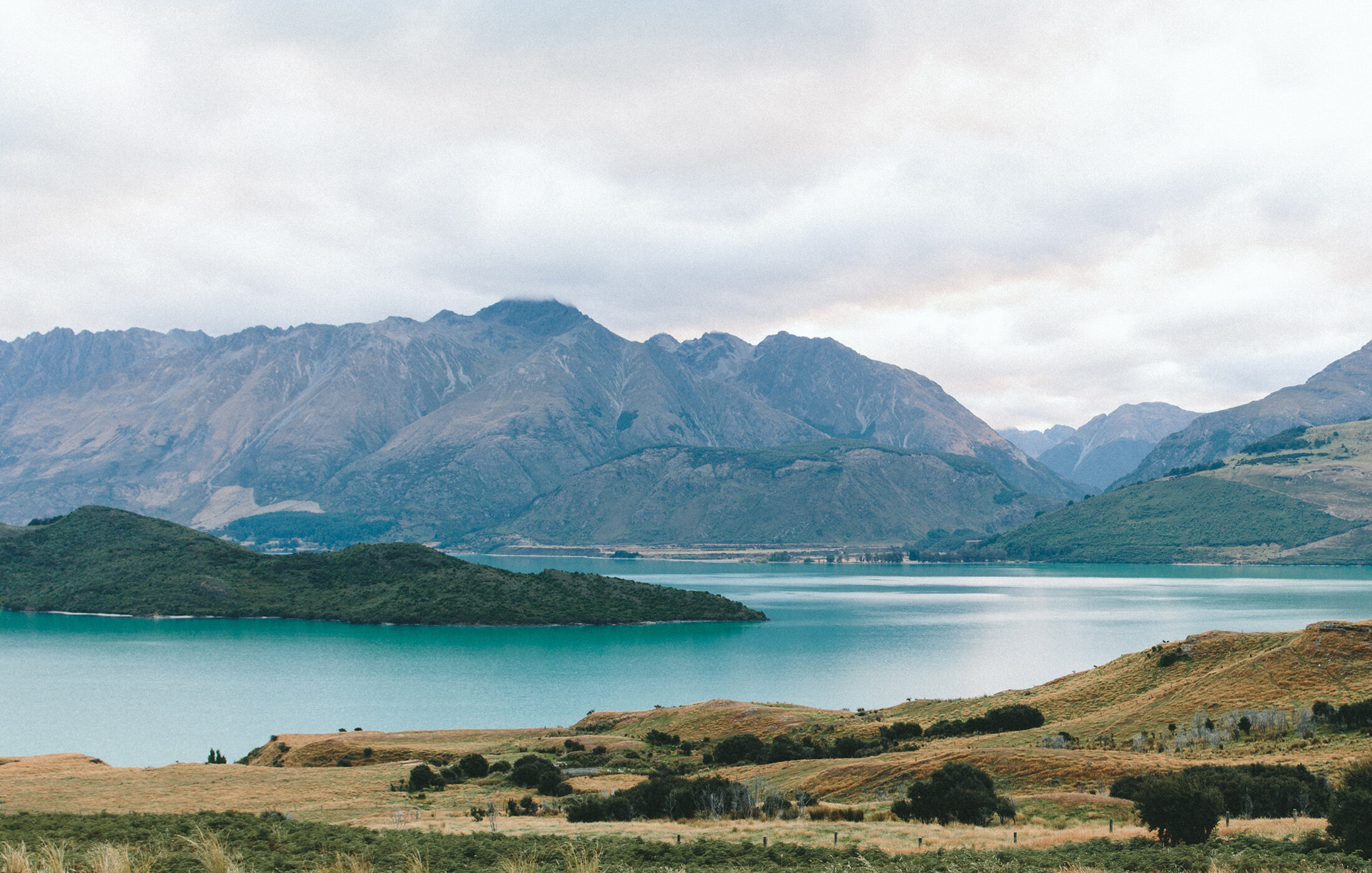
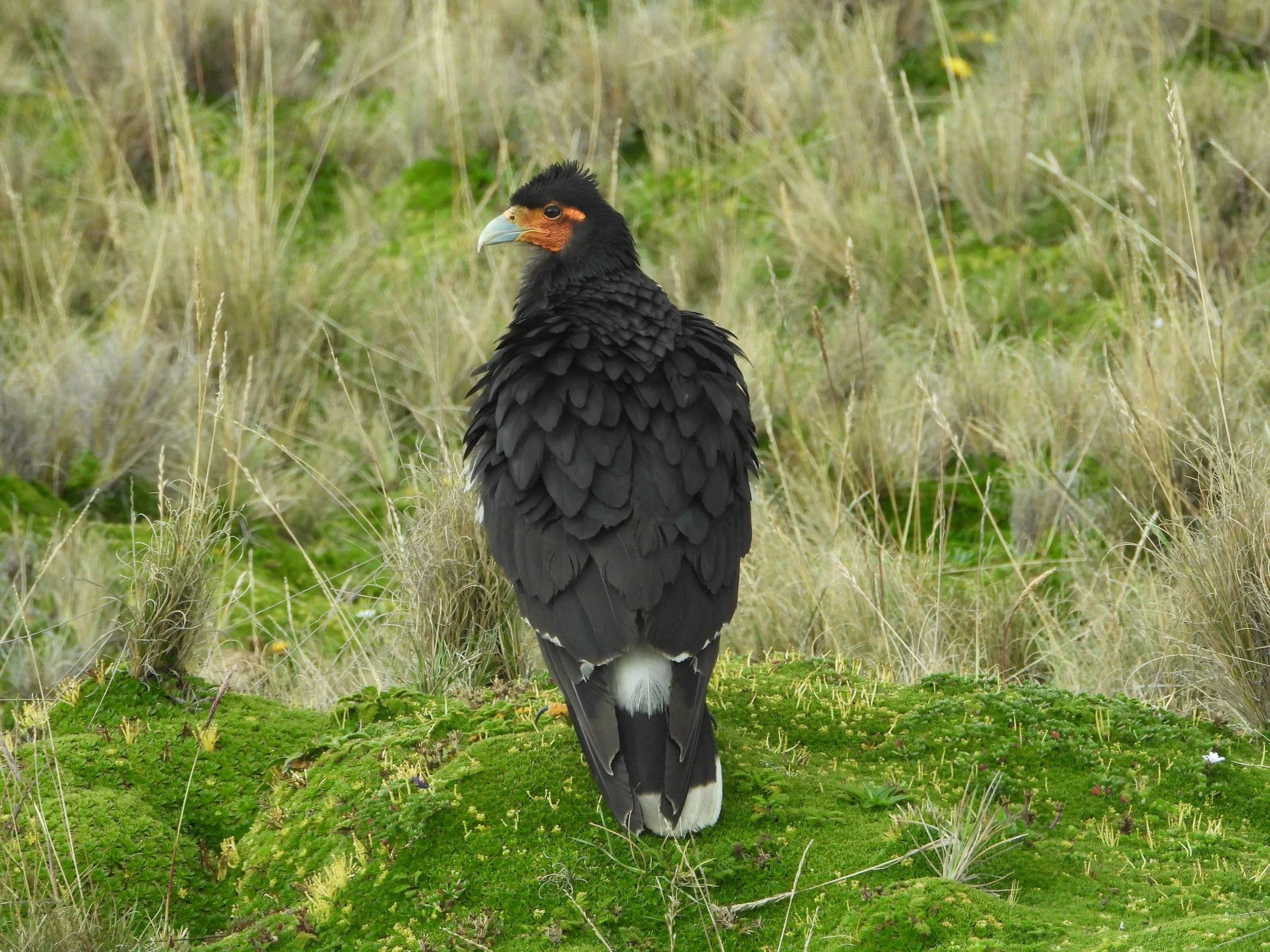
Today we visit to Antisana Ecological Reserve, a beautiful area in the highlands that represents the elevation restricted paramo habitat. This unique habitat makes up for the lack of species by the sheer quality as many of these species are not possible anywhere else on the trip, including Ecuador’s national bird and the largest vulture species in the world, the Andean Condor! The open areas of the paramo will help us find sought-after species like Ecuadorian Hillstar, Andean Ibis, Carunculated Caracara, Chestnut-winged and Stout-billed Cinclodes, Paramo Pipit, and our first antpitta of the trip, the charismatic Tawny Antpitta.
The lakes of the area are also home to a few species we can’t see in lower elevations, such as Andean Teal, Andean Duck, Slate-colored Coot, Silvery Grebe, and Andean Gull; while the feeders at our lunch stop will have us seeing the Giant Hummingbird in proximity, alongside other nectar-loving species like Shining Sunbeam, Great Sapphirewing, and Black Flowerpiercer.
After lunch, we will drive to Papallacta Pass to explore the Papallacta antennas and polylepis forest. Between these two sites, we will try to connect with the odd Rufous-bellied Seedsnipe, a high Andes shorebird that looks and behaves more like ptarmigan than a sandpiper. Other targets include scarce species like Rainbow-mantled Thornbill, Jameson’s Snipe, Red-rumped Bush-Tyrant, Giant Conebill, and Black-backed Bush-Tanager. We will also scan the hillsides in hopes of finding one of South America’s most unique mammals, the Spectacled Bear, the only living member of the short-faced bears and one of the largest creatures in the continent.
Night in Guango Lodge
-
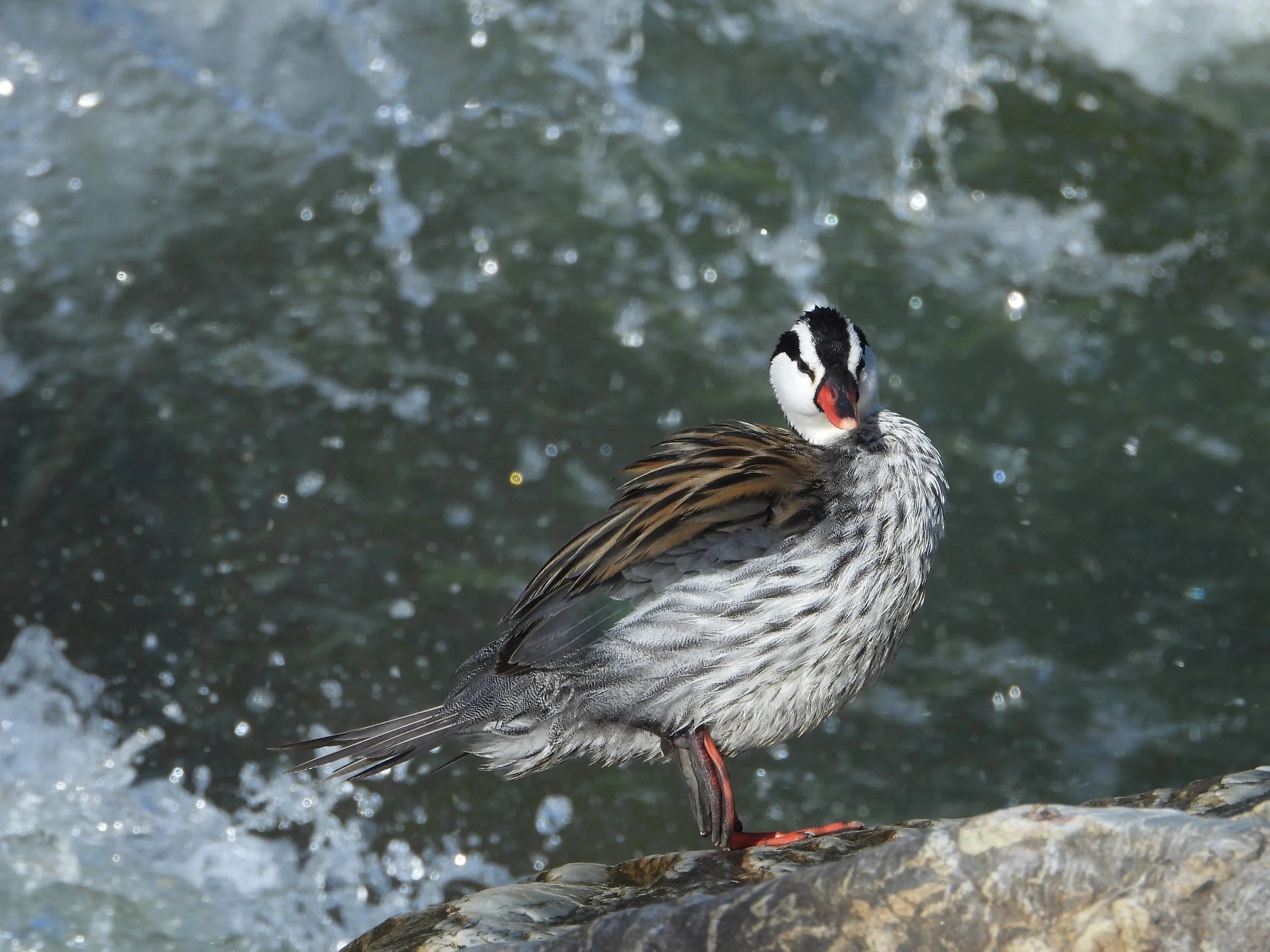
Birding the trails and feeders of the Guango Lodge are a dream for any birder in the region, and we will spend as much time as possible to find many of the specialties of the area. Some standout species in the trails include Mountain Avocetbill, Andean Potoo, Gray-breasted Mountain-Toucan, Powerful and Crimson-mantled Woodpecker, Montane Woodcreeper, Flammulated Treehunter, Barred Fruiteater, Dusky Piha, Plain-tailed Wren, and Black-crested Warbler; one of the trails leads to the Quijos River, where White-capped Dipper, Fasciated Tiger-Heron and Torrent Duck will have our full focus.
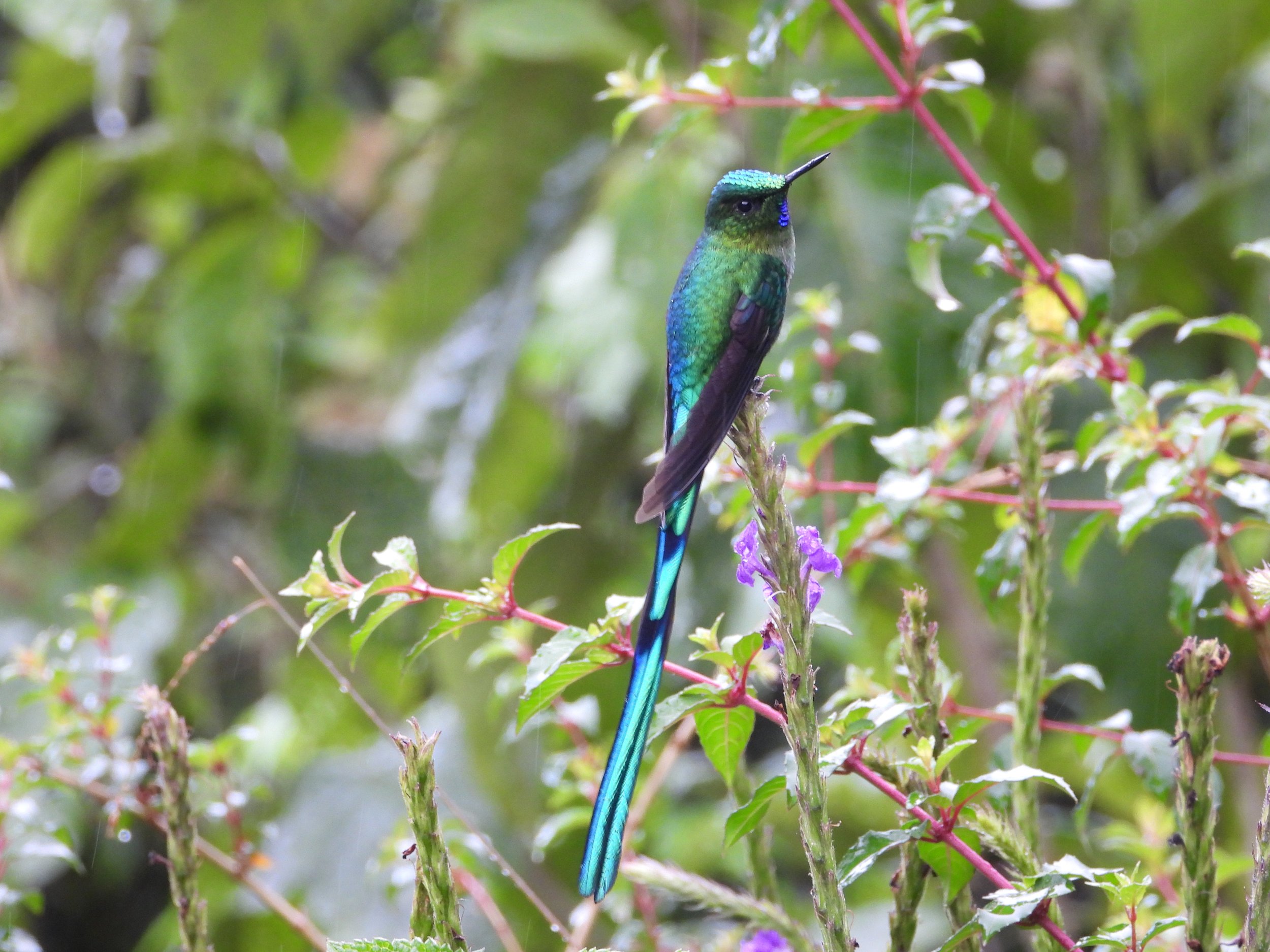
Finally, we have the feeders, in the hummingbird stations, Tourmaline Sunangel, Speckled Hummingbird, Glowing Puffleg, Chestnut-breasted Coronet, Gorgeted Woodstar and the outlandish Sword-billed Hummingbird are among the standout species. While the seed and fruit feeders bring about a different suite of birds including Turquoise Jay, Northern Slaty and Pale-naped Brushfinch, Mountain (Golden-shouldered) Cacique, Grass-green, Hooded Mountain, Buff-breasted Mountain and Lacrimose Mountain Tanager, Capped Conebill and Gray-hooded Bush Tanager.
After lunch, we will have a 3-hour drive towards our base for the next 3 nights; those with some extra energy will be given the first chance to do some owling for the trip as up to four owl species are regularly reported in the lodge grounds.
Night in WildSumaco Lodge
-
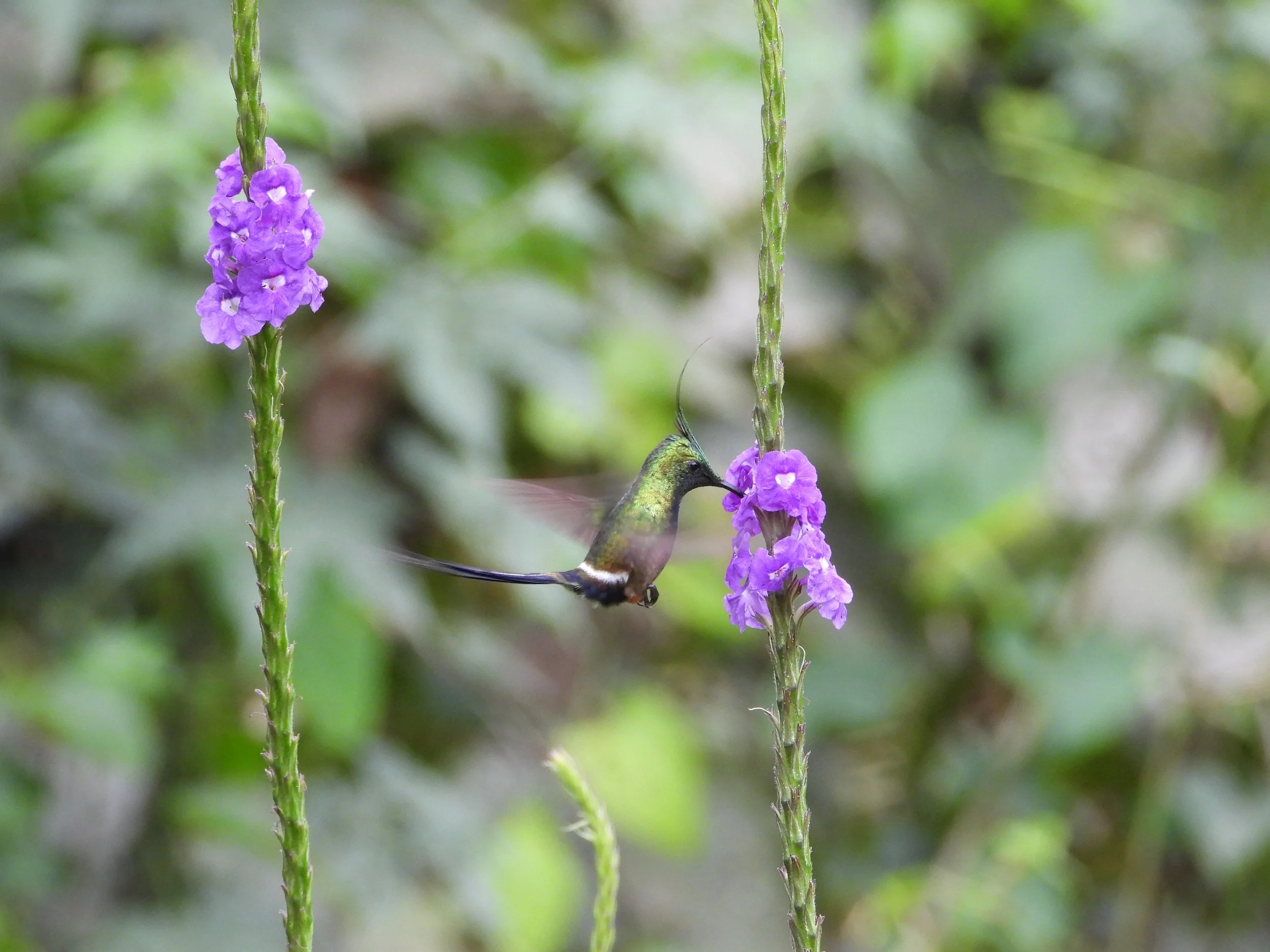
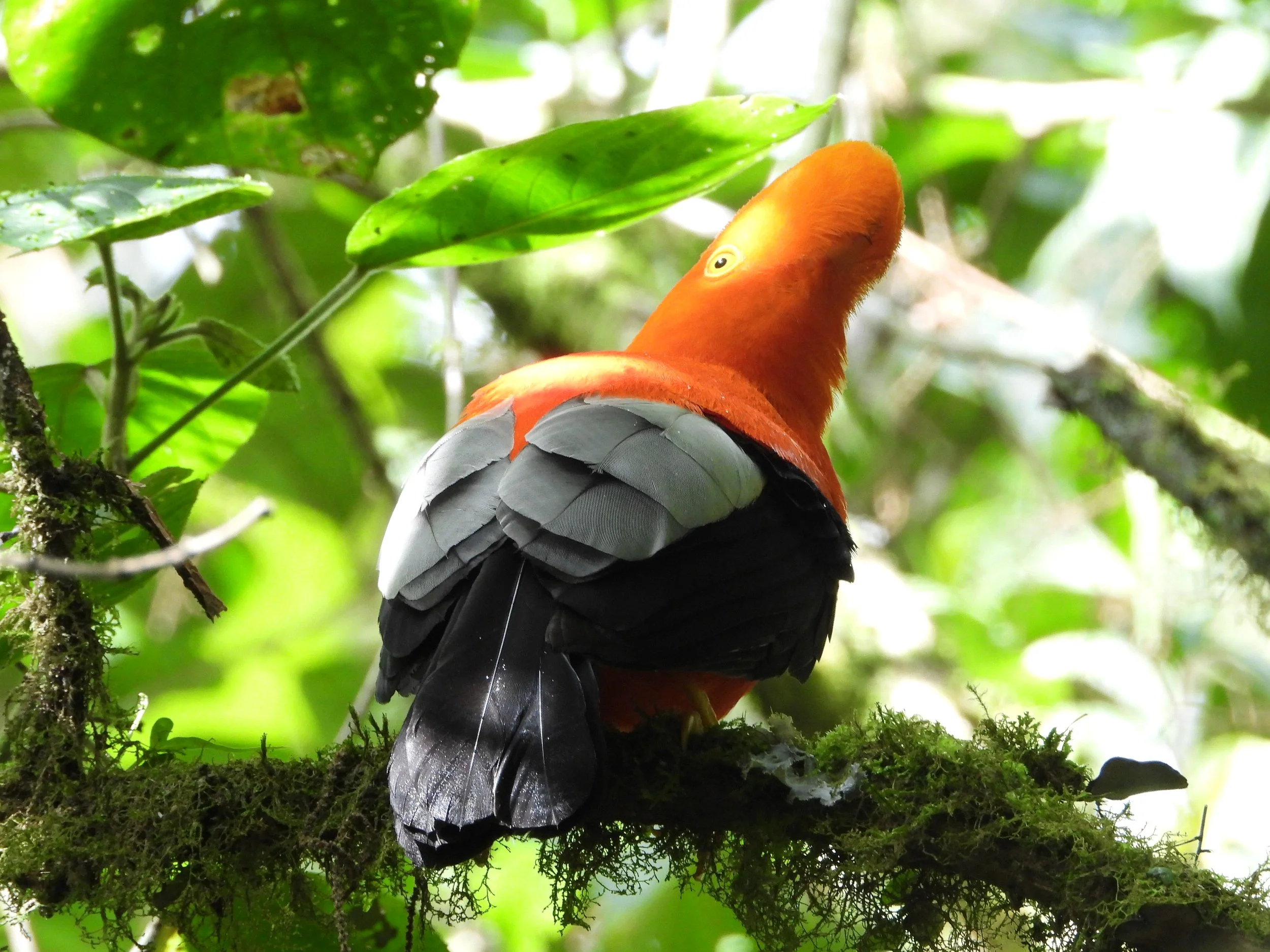
Located on the foothills of the Eastern Andes, the forests of WildSumaco are the definition of birding extremes as birds from Amazonia come to their upper elevation limits, while those of the cloud forest reach their lowest points, and adding on top, a whole set of unique species only found in this elevation make the area a site with over 600 reported bird species. Starting from the veranda, Military and Chestnut-fronted Macaw are regularly seen flying through the canopy, while Chestnut-tipped and Golden-collared Toucanet, Many-banded Aracari, Andean Cock-of-the-rock and Amazonian Umbrellabird regularly visit the fruiting trees around the lodge. However, if you asked birders what amazes them the most about the veranda, then two words will always be said: hummingbird feeders, over 30 different species are reported from these stations, with standouts like Gould’s Jewelfront, Napo Sabrewing, White-tipped Sicklebill, Peruvian Racket-tail, Black-throated Brilliant, Rufous-vented Whitetip, Golden-tailed Sapphire, Many-spotted Hummingbird, Ecuadorian Piedtail and Wire-crested Thorntail being regulars.
Stepping into the trails might be difficult with so much to see by the entrance, but once you do, a different set of targets become possible as the whistles of the rare Black Tinamou are heard from the understory, high in the canopy the alien-like calls of the Wattled Guan give away their location. The true charm of this forest, is the number of legendary species that are regularly seen, these include White-chested and Black-streaked Puffbird, Coppery-chested Jacamar, Lafresnaye’s Piculet, Buckley’s Forest-Falcon, Lined Antshrike, Foothill Stiplethroat, Western Fire-eye, Chestnut-crowned Gnateater, Black-billed Treehunter, Blue-rumped and Striolated Manakin, Scarlet-breasted and Fiery-throated Fruiteater, Gray-tailed Piha, Wing-banded, Gray-mantled and Musician Wren, Golden-eared, Green-and-gold, Orange-eared and Yellow-bellied Tanager, and Deep-blue Flowerpiercer. However, if luck is really on our side, we might encounter some of the forest ghosts with Crimson-bellied Woodpecker, Dusky Spinetail, Green Manakin, Yellow-throated Spadebill, Black-and-white Tody-Flycatcher, Orange-crested Flycatcher, and Fulvous Shrike-Tanager being difficult species to see anywhere in the world but we stand a decent chance of finding a few during our time here.
Time will also be spent visiting the feeding stations, where our local guide will call in White-crowned Tapaculo, Plain-backed and Ochre-breasted Antpitta to eat some worms, providing amazing views of these normally skulky birds. Our visit coincides when Neotropic migrants from North America are spending the winter, so it wouldn’t be surprising to see a Cerulean or Canada Warbler alongside the local Slate-throated Redstart or having a Summer Tanager feed in the same tree as a Magpie Tanager. Each night, we will try to find Rufescent, Tropical and Foothill Screech-Owl, alongside the larger Band-bellied Owl.
To give ourselves a break from the birds, we will keep lookout for Black-mantled Tamarin during the day, as troupes of these adorable monkeys regularly come foraging around the lodge cabins.
Night in WildSumaco Lodge
-
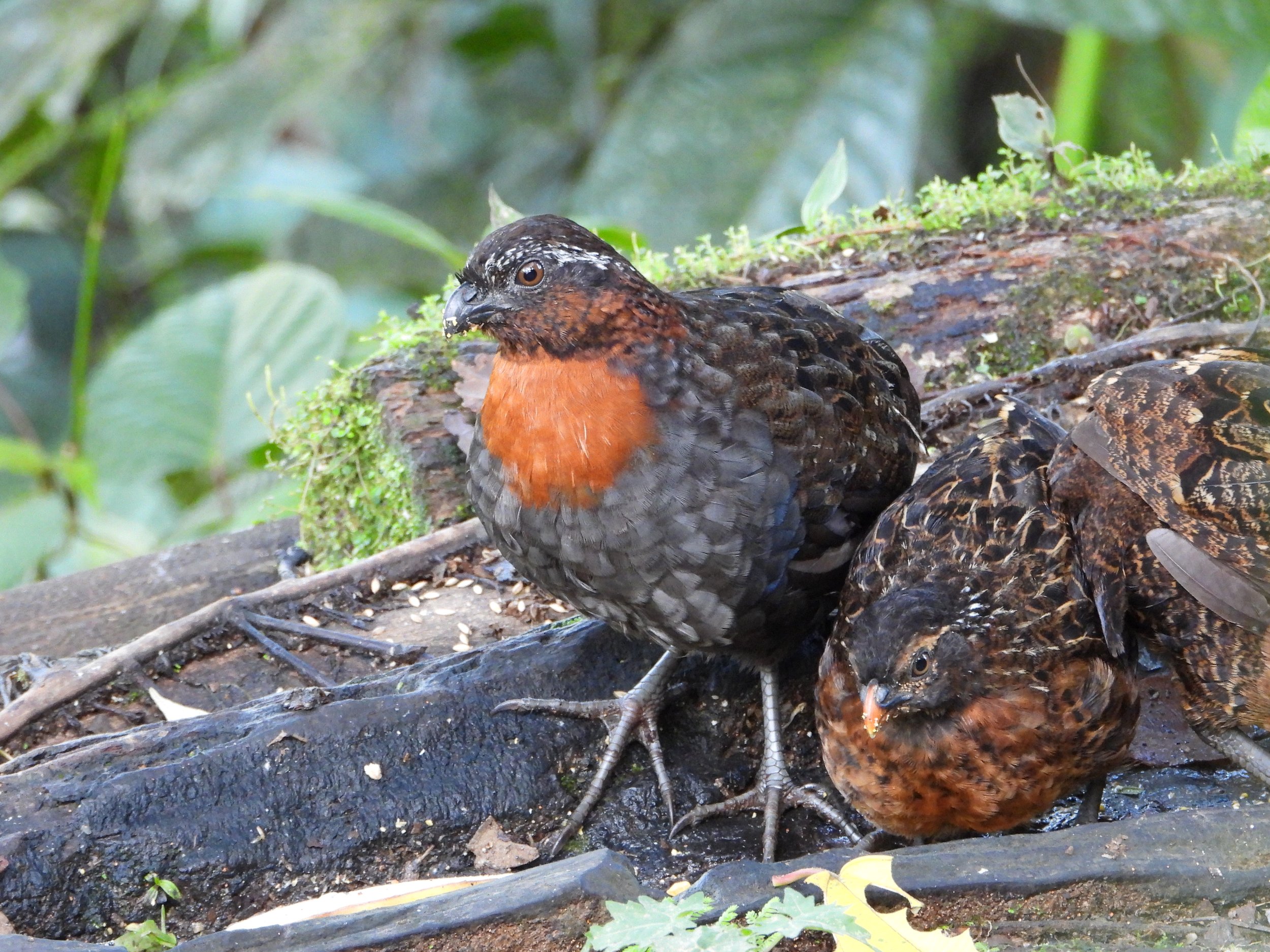
After an early breakfast, we will drive to Wayra Reserve, where a different set of feeders will give us a chance to connect with new species like Black-throated Mango, Red-crested Finch and Paradise Tanager, but the standouts will be Rufous-breasted Wood-Quail and Spangled Coquette, two difficult, but highly sought-after species that are regularly reported on the property and nearby areas.
Following the lunch break, we will begin our drive to our final lodge of the trip, Cabañas San Isidro. In route, we will make strategic stops for sought-after species like Blackish Nightjar, Orange-breasted Falcon, and Cliff Flycatcher.
Dinner in Cabañas San Isidro is an experience without comparison as the nocturnal residents of the forest will have us running out for a chance of seeing the local variety of Black-banded Owl, locally known as ‘San Isidro’ Owl, and Rufous-banded Owl, but as if that wasn’t enough, Kinkajou, Colombian Night Monkey and even Mountain Tapir come with frequent regularity to the feeders at the lodge!
Night in Cabañas San Isidro
-
Our final full day will have us exploring the famous Guacamayos Ridge, a place that only avid nature lovers truly know about, but once the target list is shown, even the most avid birder becomes enamored with the place. While walking through this beautiful cloud forest, legendary species of the Andes will be our priority as Peruvian and Slate-crowned Antpitta, Barred Antthrush, Greater Scythebill and White-capped Tanager are best seen here, and the supporting cast includes goodies like Black-billed Mountain-Toucan, Red-billed Parrot, Long-tailed Tapaculo, Rusty-winged Barbtail, Green-and-black Fruiteater, and Handsome Flycatcher.
In the afternoon, we will return to the lodge, where the species coming to the feeders are sure to keep us busy as Sickle-winged Guan, Tawny-bellied Hermit, Geoffroy’s Daggerbill, Fawn-breasted Brilliant, Southern Emerald-Toucanet, Green (Inca) Jay, Russet-backed Oropendola, Blue-winged Mountain, Flame-faced and Saffron-crowned Tanager, and Bluish Flowerpiercer are among the regular residents of the lodge that we might have not encountered yet on our trip, along with a new mammal in the Black Agouti, that visits the corn feeder throughout the day.
Night in Cabañas San Isidro
-
The Cabañas San Isidro protects a huge area of primary forest that acts as the buffer zone for the Antisana Ecological Reserve, and on our last morning, we will explore one of the main trails of the lodge and the main road to find any missing species, such as our final antpitta for the trip in a feeding station, White-bellied Antpitta. An great variety of raptors like Black-and-chestnut Eagle, White-rumped Hawk and Collared Forest-Falcon are likely to be seen; and a beautiful variety of cloud forest specialties that leave one wanting for more like White-chested Swift, Golden-headed and Crested Quetzal, Masked Trogon, Andean Motmot, Black-chested Fruiteater, Rufous-breasted Flycatcher, Rufous-crowned Tody-Flycatcher, Black-billed Peppershrike, Black-eared Hemispingus and Chestnut-breasted Chlorophonia.
After lunch, we begin our drive back to Quito, where, if you are planning to finish the adventure here, you will have the option to either catch a late evening flight back home or stay in the Zaysant Ecolodge and fly out some time the next morning.
Night in Zaysant Ecolodge
West Slope Andes Tour
-
Arrival day for participants of the Mindo Extension via Mariscal Sucre Quito International Airport and a 20-minute transfer to our lodge for the night.
If time allows, we will do some birding around the lodge in the afternoon for some widespread species found around Ecuador’s capital. Some of the species we may encounter include Great Thrush, Hooded Siskin, Golden Grosbeak, along with our first hummingbirds such as Sparkling Violetear, Black-trained Trainbearer, Western Emerald, and our first tanagers like Blue-and-yellow and Scrub Tanager. These two bird families are well represented in Ecuador, and we should encounter a lot of these species during our trip through the East Slope of the Andes.
(If you joined the East Slope Tour, you would be arriving to the join the main group this evening.)
Night in Zaysant Ecolodge
-
Our tour starts with an early departure to the beautiful Zuroloma Reserve, a relatively new birding destination in Northern Ecuador but one that deserves all the attention you can hope for.
Species like Mountain Velvetbreast, Sapphire-vented Puffleg, Sword-billed Hummingbird and Tyrian Metaltail will flock the nectar feeders, while Red-crested Cotinga, Gray-browed and Yellow-breasted Brushfinch, Scarlet-bellied Mountain and Golden-crowned Tanager are almost expected to show in the fruit feeders and nearby trees. However, the true showstoppers of the reserve are the antpittas, as both Equatorial and Chestnut-naped Antpitta are extremely reliable in the property, and we stand a good chance to have some amazing views of these jewels of the Andean forests.
After our time in Zuroloma, we will drive back to Yanacocha for an early lunch, before walking the main trail of the reserve to find some species we might still need for the trip like Andean Guan, Shining Sunbeam, Golden-breasted Puffleg, Great Sapphirewing, White-throated Screech-Owl, Ocellated and Ash-colored Tapaculo, Barred Fruiteater, Spectacled Redstart, Hooded Mountain and Black-chested Mountain Tanager.
Our final stop of the day will be our base for the first 2 nights, the beautiful Bellavista Lodge, a haven in the cloud forest that even during the late hours will keep our attention as we will search for Swallow-tailed and Band-winged Nightjar, Rufescent Screech and Rufous-banded Owl, and the feeders are filled with bananas even at night as Kinkajou, Tayra and the rare Olinguito are all possible nightly visitors to the lodge grounds.
Night in Bellavista Lodge
-
Exploring the forest in and around Bellavista is our goal for the day with the morning session having us search for more difficult species like White-throated Quail-Dove, Black-and-chestnut Eagle, Andean Pygmy-Owl, White-faced Nunbird, Toucan Barbet, Crested Quetzal, Spillmann’s Tapaculo, Yellow-bellied Chat-Tyrant, Turquoise Jay, Tanager Finch, Choco Brushfinch, and Plushcap.
The outing after lunch will have us visiting the amazing feeders at The Birdwatcher’s House, a dream site that makes it impossible for bird photographers to walk away from. Species like Gorgeted Sunangel, Violet-tailed Sylph, Velvet-purple Coronet, White-booted Racket-tail, Plate-billed Mountain-Toucan, Tyrannine Woodcreeper, Slaty-backed Nightingale-Thrush, Dusky Chlorospingus, Blue-winged Mountain, Black-caped, Golden-naped, Flame-faced and Golden Tanager are some of the highlights we can look forward to photographing in short range, making this place a highlight of our time in Bellavista, if not the whole trip! For those with energy to spare, owling will be done again tonight after dinner to find any species we might have missed the night before.
Night in Bellavista Lodge
-
The third day of the trip brings us a new site at a lower elevation, and few places on earth deserve as much respect and affection as the legendary Refugio Paz de las Aves. Originally a family-owned farm, when Angel Paz inherited the property from his father in the early 2000s, he managed to change the future course of the property as the forest that was originally set to be cut down, and instead, it became a true refuge for some of the rarest birds in the whole of South America, including many species that prior to Angel becoming a “whisperer”, were considered birds that you could never see, even if you spent most of your life in the cloud forest.
Our trip will begin with a predawn arrival to one of the active Andean Cock-of-the-Rock lek that are within the property, being able to see these birds up-close is just the starting line for the morning to come, as we begin to find one great bird after another. Some of highlights we hope to connect with include roosting nocturnal species like Rufous-bellied Nighthawk, Lyre-tailed Nightjar, Common Potoo and Black-and-white Owl; hummingbird feeders attended by species we’ve yet to see like Tawny-bellied Hermit, White-throated Daggerbill, Buff-tailed Coronet, Purple-bibbed Whitetip, Empress Brilliant, Purple-throated Woodstar while the fruit stations are visited by Crimson-rumped Toucanet, Black-winged Saltator, Flame-rumped (Lemon-rumped) and Beryl-spangled Tanager.
However, the true reason to visit Paz de las Aves, it’s for the antpittas, no less than 5 species of these charismatic birds are brought in by Angel and his brother Rodrigo for birders to see an enjoy, with ‘Maria’ the Giant Antpitta and ‘Shakira’ the Ochre-breasted Antpitta being the more popular species, but we stand a great chance of seeing them, along with Moustached, Chestnut-crowned and Yellow-breasted Antpitta. Other species we hope to find in the trails include Crested Guan, Cloud-forest Pygmy-Owl, Golden-headed Quetzal, Maroon-tailed (Choco) Parakeet, Rufous-breasted Antthrush, South American Leaftosser, Orange-breasted and Scaled Fruiteater, Golden-rumped Euphonia, and White-winged Brushfinch. Seeing 100 species in one morning here is not an ambitious goal, but a likely reality!
Our final stop will have us in the beautiful Milpe Bird Sanctuary, where, after our lunch break, we will explore the trails of the reserve to add a few species to the trip list, such as Pallid Dove, White-whiskered Hermit, Green Thorntail, Barred Hawk, Blue-tailed Trogon, Rufous Motmot, Collared (Pale-mandibled) Aracari, Choco Toucan, Crimson-bellied Woodpecker, Laughing Falcon, Rose-faced and Bronze-winged Parrot, Esmeralda and Zeledon’s Antbird, Golden-winged and Club-winged Manakin, Ecuadorian Thrush, Yellow-collared Chlorophonia, Choco Warbler, Dusky-faced, Ochre-breasted, Rufous-throated and Bay-headed Tanager.
From here, we will move to the cozy Sachatamia Lodge where the equator splits from north and south, and it will be our base for the rest of our time in the Mindo area.
Night in Sachatamia Lodge
-
While only a small remnant of what used to be the continuous Choco lowland rainforest. The Rio Silanche Bird Sanctuary is a 100 acre reserve that is the westernmost point of our trip and the best place to connect with dozens of species that would not be possible on higher points of the trip, including a canopy tower that will help us find some of the forest’s most interesting residents at eye level!
Our time in the tower and the forest trails will help us find new species like Dusky Pigeon, Hook-billed Kite, Plumbeous Hawk, Blue-tailed, White-tailed and Choco Black-throated Trogon, Barred Puffbird, Lanceolated Monklet, Orange-fronted Barbet, Guayaquil and Cinnamon Woodpecker, Velvety and White-bearded Manakin, Purple-throated Fruitcrow, Choco Tyrannulet, Slaty-capped Shrike-Vireo, Slate-throated Gnatcatcher, Gray-and-gold, Rufous-winged, Blue-whiskered and Scarlet-browed Tanager, Yellow-tufted and Scarlet-breasted Dacnis, and Black-winged Saltator.
If time allows, we will explore the area outside the reserve, where the changing landscape to more open habitat from farming practices have allowed species originally found only in Southern Ecuador to move north, like Ecuadorian Ground Dove, Peruvian Pygmy-Owl, Scarlet-backed Woodpecker, Pacific Parrotlet, Red-masked Parakeet, Pacific Hornero, Masked Water-Tyrant, Ecuadorian Thrush, and Scrub Blackbird can all be added to the list. This is a day to remember, but also a reminder why conservation and eco-tourism is crucial in the region, as various species have appeared and disappeared over the years due to human development.
Night in Sachatamia Lodge
-
Our early morning expedition will have us visiting the, now famous, Recinto 23 de Junio, the most accessible site in Northern Ecuador for the legendary Long-wattled Umbrellabird, a perfect example of sexual selection, where the tastes of the females decide how gaudy and out there the males will look. Outside of the active lek, the morning around the community is home to various species we might see elsewhere, but provide great opportunities here, like Crested Guan, Common Squirrel-Cuckoo, Violet-tailed Sylph, Velvet-purple Coronet, Cloud-forest Pygmy-Owl, Golden-headed Quetzal, Choco Toucan, Laughing Falcon, White-thighed Swallow, Yellow-throated and Dusky Chlorospingus.
However, we will keep this morning open, after the Umbrellabird, and if the opportunity arises to chase some of the legendary species of the region like Purple Quail-Dove, Banded Ground-Cuckoo or Brown Wood-Rail, we will move things around to target these mouthwatering species that every birder who’s visited the region dreams of seeing at least once.
The afternoon plan involves us taking a longer drive to the Chontal region to visit a cave where the Oilbird, the world's only nocturnal fruit-eating bird, and the only bird to hunt vie echolocation roosts! With the help of a flashlight, we will have an opportunity to see these oddities of the bird world in great detail and maybe even get a few photos. This is a day where the quality outweighs the quantity.
Night in Sachatamia Lodge
-
Final day of our extension, so let’s finish it with a bang by visiting the legendary feeders of Reserva Mashpi Amagusa. Originally a small stop on the way to the luxurious Mashpi Lodge, these days, the Reserva Mashpi Amagusa is a must stop destination for any birder visiting Western Andes of Ecuador, amazing feeder stations, great trails and easy access to some of the most colorful and endemic birds in the region. The species list is as long as it is incredible, while waiting at the feeders, we can connect with Dark-backed Wood-Quail, White-throated Quail-Dove, White-throated Daggerbill, Brown Inca, Velvet-purple Coronet, Empress Brilliant, Toucan Barbet, Crimson-rumped Toucanet, Rose-faced Parrot, Orange-breasted and Scaled Fruiteater, Black Solitaire, Black-chinned Mountain, Moss-backed, Glistening-green, Golden, Rufous-throated and Flame-faced Tanager, Golden-collared Honeycreeper, and Buff-throated Saltator. While the main road and trails are reliable sites for White-tipped Sicklebill, Green-fronted Lancebill, Barred Hawk, Blue-fronted Parrotlet, Esmeraldas and Zeledon’s Antbird, South American Leaftosser, Pacific Tuftedcheek, Club-winged Manakin, Bronze-olive Pygmy-Tyrant, Black-billed Peppershrike, Choco Vireo, Andean and Rufous-brown Solitaire, Yellow-collared Chlorophonia, Olive Finch, Olive-crowned Yellowthroat, Ochre-breasted Tanager, and Indigo Flowerpiercer!
A morning in Mashpi would be enough to make us feel like a full day went by, but after our lunch break, we will move to the relatively unexplored Guayabillas Road, a site that cuts through the Ecuadorian foothills down into the lowlands of the Choco. While many of the species possible here, we would likely have encountered in the previous days, we are likely to add a couple new species like Baudo Guan, Purple-chested Hummingbird, Brown-billed Scythebill, Slaty Spinetail, Black-tipped Cotinga, Dusky-faced, Yellow-green, Gray-and-gold and Scarlet-and-white Tanager.
From here, we begin a long, 3-hour drive back to Quito to finish the main tour.
Night in Zaysant Ecolodge
-
Breakfast in Zaysant Ecolodge and transfer to the airport for departure

Tour Fees and Inclusions
Total:
$3,600 per person (East Slope Tour) [Guaranteed Departure] [$500 deposit upon sign up]
$3,500 per person (West Slope Tour) [$500 deposit upon sign up]
Single Supplement:
$350 per person (East Slope Tour)
$300 per person (West Slope Tour)
Special Promotion
If both tours are booked, the 15-day experience comes out to $6,800 per person.
Group size: 4-8 participants
What’s included?
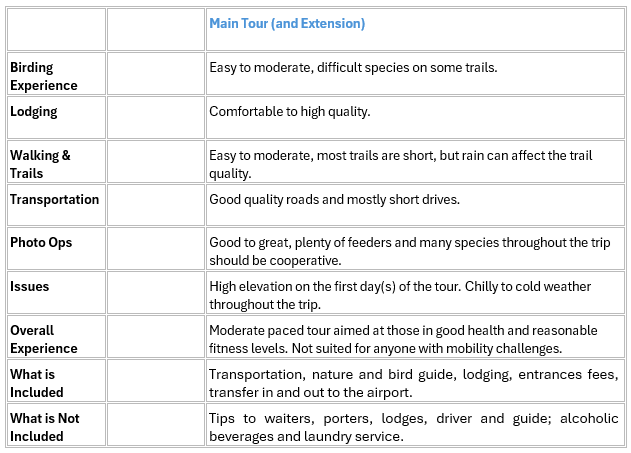
Transportation, nature and bird guide, lodging, dinner from day 1 to breakfast and transfer to the airport on day 9 [March 29] (extension covers until breakfast and transfer to the airport on day 8 [April 4]), entrances fees, transfer in and out to the airport.
Sign Up Deadline: Aug 15th, 2026
Sign Up Now